Sending your child to a pre-college program is an exciting milestone. For many students, it is their first experience living and learning in a college environment, meeting new peers from different places, and taking on more responsibility for themselves. For parents, it can feel like a big transition too.
The good news is that you play an important role in helping your student make the most of this experience. Your support can encourage independence, confidence, and growth—both socially and academically—while also helping your student feel prepared for the journey ahead.
Before Arrival: Set the Tone for Growth
One of the best things parents can do is talk with their student before the program begins. These conversations do not need to be long or formal. In fact, simple encouragement often goes the farthest.
Remind your student that this program is not about being perfect. It is about learning, trying new things, and becoming more comfortable navigating a college setting. They may feel excited, nervous, or a little of both. That is completely normal.
You can help by reinforcing a few key ideas:
- It is okay to feel unsure at first.
- New experiences often feel challenging before they feel comfortable.
- Asking questions is a sign of strength, not weakness.
- Growth happens when we step outside of what is familiar.
If your student is heading to campus for the first time, it may also help to talk through what to expect. Discuss the basics of living in a new environment, sharing space with others, following a schedule, and managing time independently. These practical conversations can ease anxiety and help your student feel more prepared.
Encourage Independence Early
Pre-college programs are designed to help students gain confidence and independence. Parents can support that goal by gradually giving students more responsibility before they arrive.
Depending on your child’s age and experience, this might include:
- Packing their own belongings
- Keeping track of important items
- Managing a daily routine
- Setting alarms and waking up on their own
- Organizing school materials
- Practicing simple self-advocacy, such as asking for help when needed
These skills may seem small, but they make a big difference. When students feel capable of managing themselves, they are better able to focus on learning and connecting with others.
Help Them Prepare for Social Growth
For many students, one of the most valuable parts of a pre-college experience is the chance to meet new people. They may be living or learning alongside students they have never met before, and that can feel intimidating at first.
Parents can help by encouraging an open mindset. Remind your student that they do not need to become best friends with everyone, but they should be willing to introduce themselves, listen, and be kind. Social growth often begins with small moments: sitting with someone new at meals, joining a group activity, or starting a conversation in the hallway.
You might say:
- “You do not have to know everyone right away.”
- “Be open, be kind, and give people a chance.”
- “Friendships often start with one small conversation.”
- “It is okay if the first day feels awkward.”
It is also helpful to remind students that not every social moment will feel easy. Adjusting to new people takes time. Encouraging patience can help them stay engaged instead of retreating when things feel unfamiliar.
Encourage Academic Curiosity, Not Perfection
Pre-college programs often give students a taste of college-level academics, creative exploration, or career-focused learning. That can be exciting, but it can also feel intimidating if students worry too much about performance.
Parents can help by shifting the focus from perfection to curiosity.
Instead of emphasizing grades, achievements, or comparison, encourage your student to approach the experience with an open mind. This is a chance to explore interests, ask questions, and stretch themselves academically. The goal is not to know everything already. The goal is to learn.
Helpful reminders might include:
- It is okay not to have all the answers.
- Challenging work is part of the learning process.
- Asking for clarification is smart.
- Effort matters just as much as outcome.
- Trying something difficult can build confidence.
When students feel supported in their learning, they are more likely to take intellectual risks, participate fully, and discover new strengths.
Let Them Practice Problem-Solving
One of the most valuable lessons students can gain from a pre-college program is how to handle everyday challenges on their own. Parents can support this by resisting the urge to solve every problem immediately.
If your student forgets something, feels uncertain, or encounters a small setback, try giving them space to think through the issue first. Ask guiding questions such as:
- “What do you think your first step should be?”
- “Who could you ask for help?”
- “What have you tried so far?”
- “What do you need in order to move forward?”
This approach builds confidence and resilience. It tells your student, “I believe you can handle this.” That message can be powerful.
Stay Encouraging, But Give Space
It is natural to want updates and reassurance while your child is away. A supportive check-in is often helpful, especially early in the program. But try to balance communication with space.
Students grow when they are given room to adjust, make decisions, and solve problems independently. If every small discomfort is met with immediate intervention, they may miss opportunities to build confidence.
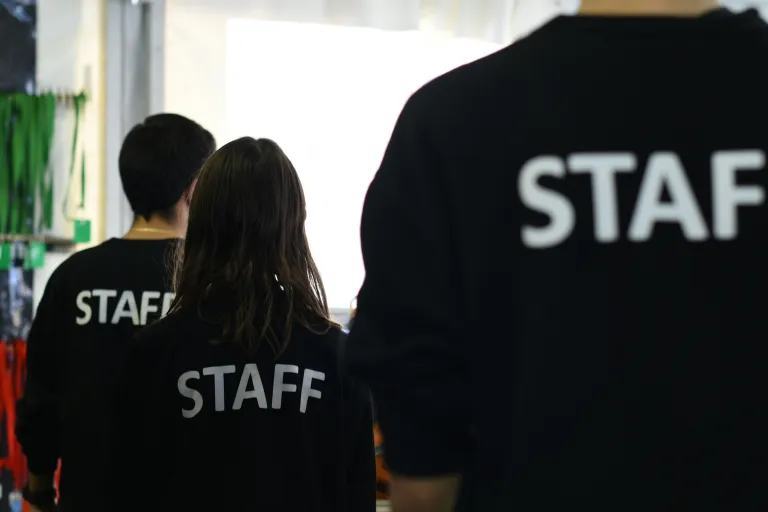
A good rule of thumb is to be available without hovering. Encourage your student to reach out when they need support, but also trust that they are capable of navigating the experience with the help of program staff and their own developing skills.
What to Say Before They Leave
Sometimes the most meaningful support comes in the words parents choose before departure. A calm, encouraging goodbye can help set the tone for the entire experience.
You might say:
- “I am proud of you for taking this step.”
- “You are ready for this.”
- “I know you will learn a lot and grow from this experience.”
- “You do not have to do everything perfectly.”
- “I am excited to hear about what you discover.”
Try to focus on confidence, pride, and possibility. Your student will take cues from your tone. If you communicate trust in their ability to succeed, they are more likely to trust themselves as well.
When They Come Home: Talk About Growth
The learning does not end when the program is over. In many ways, some of the most meaningful reflection happens afterward.
When your student returns home, ask open-ended questions that invite reflection rather than yes-or-no answers. For example:
- What was the best part of your experience?
- What was something challenging that you handled well?
- Did you meet anyone interesting?
- What did you learn about yourself?
- Is there anything you would do differently next time?
These conversations can help your student recognize their own growth. They may not immediately see how much they have changed, but your questions can help them reflect on their progress.
Be sure to celebrate more than just accomplishments. Celebrate effort, independence, adaptability, and courage.
A Final Word for Parents
Pre-college programs offer students more than just an academic experience. They provide a chance to grow socially, emotionally, and personally in a college environment. For many students, it is a first step toward greater independence and self-discovery.
As a parent, your role is not to remove every challenge. Your role is to encourage, prepare, and believe in your student’s ability to grow through the experience. With your support, they can enter the program feeling confident, capable, and ready to make the most of this exciting opportunity.
Your child may leave home for a short time, but they return with something lasting: greater confidence, broader perspective, and a stronger sense of who they are becoming.